3 hr 30 min
Marseille Food Lover's Walking Experience
- Entry ticket
- Mobile voucher
- Valid same day
- Free cancellation
Marseille Food and Wine Tour — Guided Tastings & Culinary Walks
Provençal markets and neighbourhood bistros, wine estates and harbour-front vendors.
Compare fares, pick the fit — all bookings are mobile-voucher and eligible for free cancellation where shown.
3 hr 30 min
3 hr
3 hr 30 min
Selecting the right marseille food and wine tour allows you to experience the city's rich culinary heritage through guided tastings and local market visits. These excursions offer diverse ways to explore Provencal flavors, ranging from intimate evening aperitif sessions to comprehensive guided city walks.
|
Top pick Standard Food Tour Group Exploration |
Premium Wine Pairing Enhanced Tasting | |
|---|---|---|
| Duration | 3 hours | 3.5 hours |
| Group Size | Max 10-12 people | Max 6-8 people |
| Inclusions | Local market tastings | Premium wine and cheese |
| Availability | Daily | Scheduled select days |
| Best for | First-timers | Wine enthusiasts |
| See tickets & prices |
Verdict: For the most balanced experience, first-time visitors should choose the standard marseille food and wine tour, while those seeking deeper expertise may prefer the premium wine pairing marseille food and wine tour tickets.
Worth it for culinary explorers and local culture seekers
A marseille food and wine tour delivers exceptional value for travelers wanting to decode Provence's culinary identity beyond the tourist trail. The walking experiences—from Cours Julien's street-art quarter to the Panier's artisan workshops—pair regional wines with bouillabaisse tasting, panisse samples, and navette biscuits at family-run boulangeries. Expect 3–4 hours of guided discovery across €65–95 per person, depending on the route and wine selection. The format suits confident walkers comfortable with hills and cobblestones; Marseille's topography rewards those who explore on foot. Skip it if you're hunting Michelin refinement or need wheelchair access—these are neighborhood walks, not white-tablecloth affairs. For anyone curious about pastis traditions, socca origins, or why locals swear by their fishmonger, the immersive storytelling and immediate tasting make food tours in Marseille a smarter investment than solo restaurant guessing.
Bottom line: If you value guided discovery over independent dining, marseille food and wine tour tickets pay for themselves in knowledge and access you won't find on Google Maps.
They complement each other; most visitors who do both call the guided marseille food and wine tour the more efficient option for deep culinary education, while independent roaming offers superior freedom. Choosing between structured degustation and autonomous exploration depends on whether you prioritize expert-led Provence gastronomic insights or self-paced discovery of regional landmarks.
|
Top pick Guided Tour |
Independent Exploration | |
|---|---|---|
| Curated food selection | Handpicked artisanal producers | Unlimited market choices |
| Historical context | Deep expert-led commentary | Personal research required |
| Cultural narrative | Structured storytelling | Observation-based learning |
| Flexibility | Fixed departure times | Completely self-directed |
| Direct local interactions | Facilitated by guide | Initiated by traveler |
| Navigation ease | Lead by professionals | Requires map literacy |
| See tickets & prices |
Verdict: Securing marseille food and wine tour tickets provides a streamlined, narrative-rich experience, whereas independent market exploration allows for spontaneous detours through hidden city streets.
Hand-picked experiences loved by thousands of travelers
3.5 hours
Free Cancellation
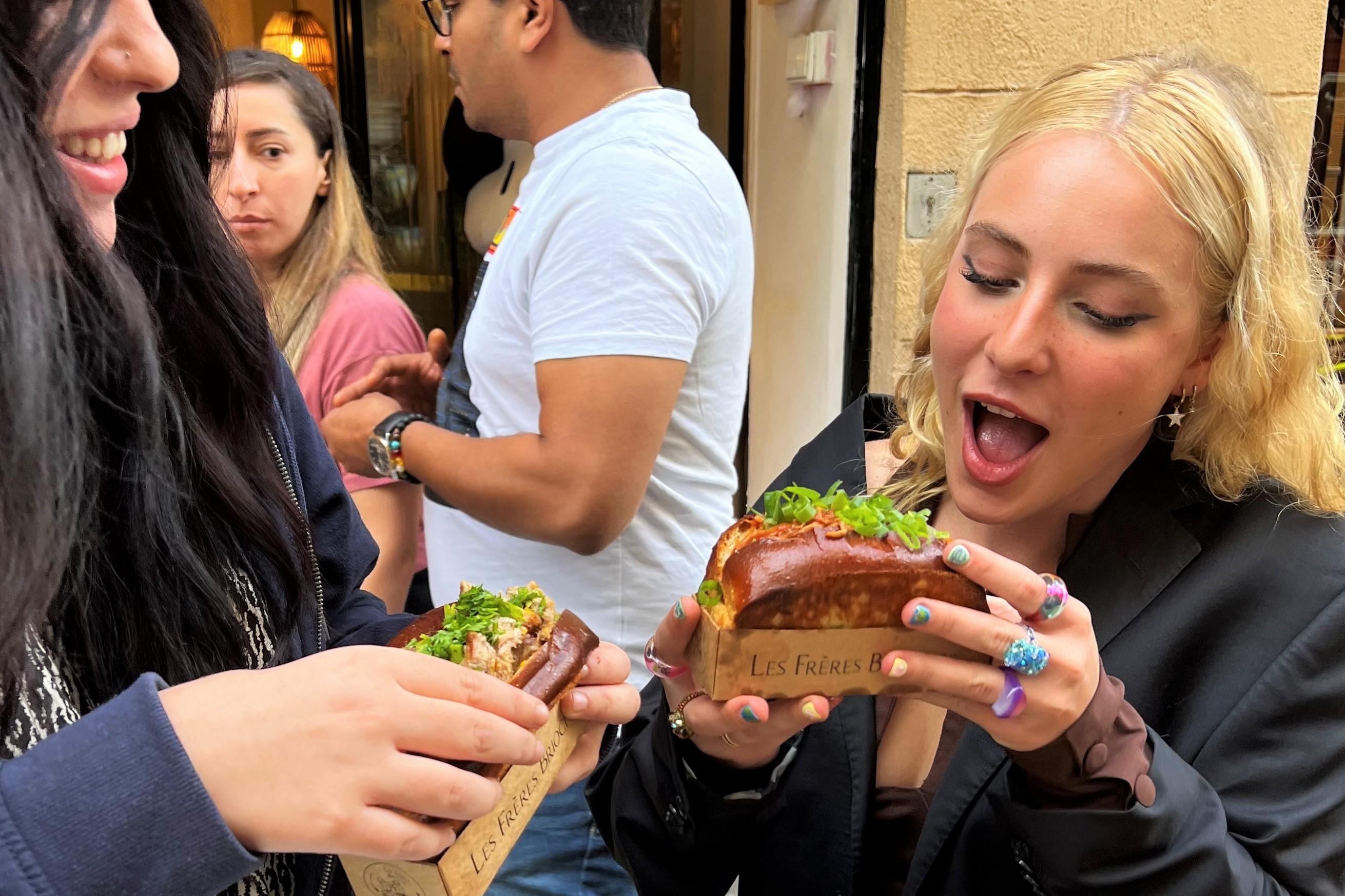
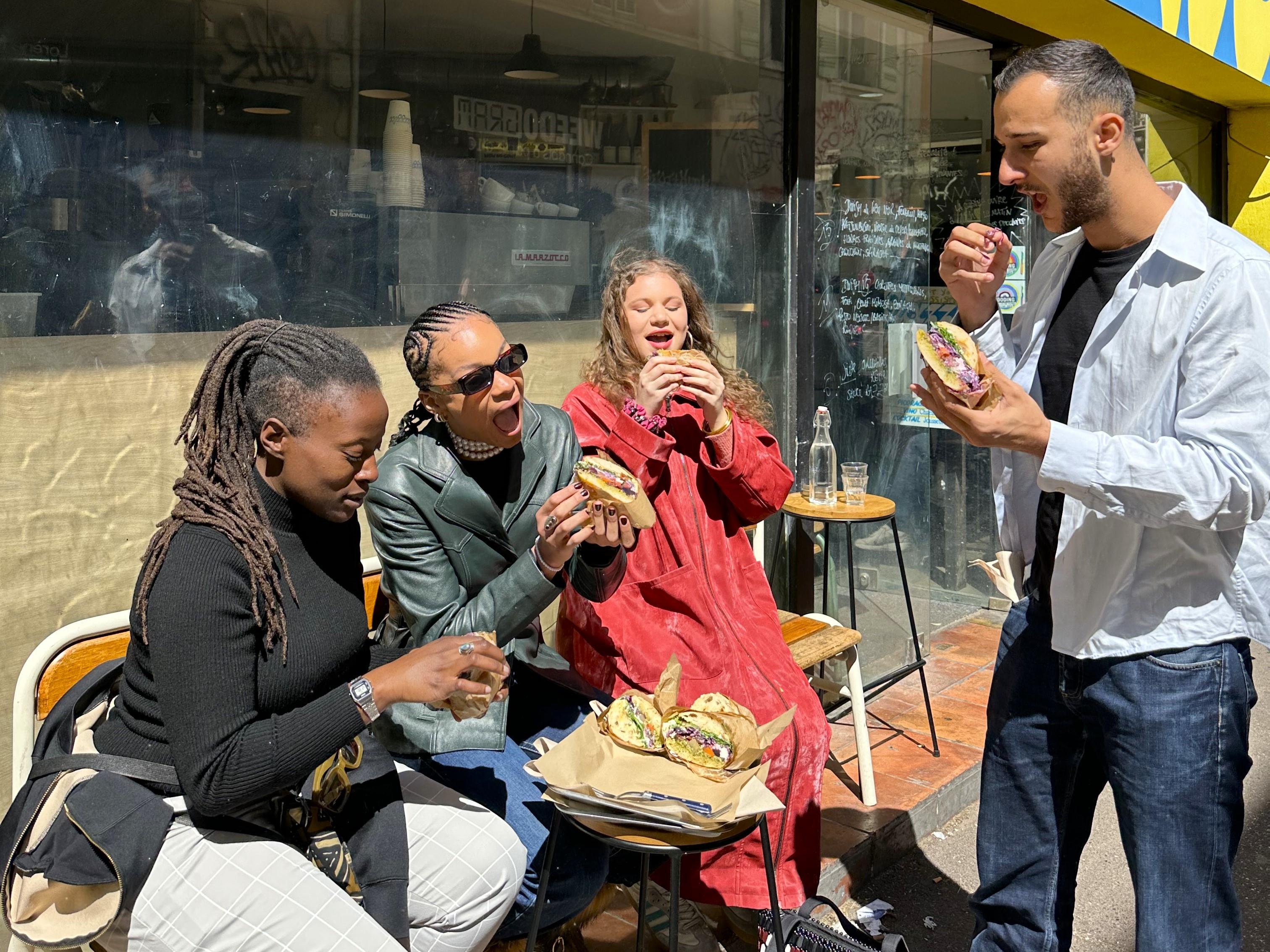
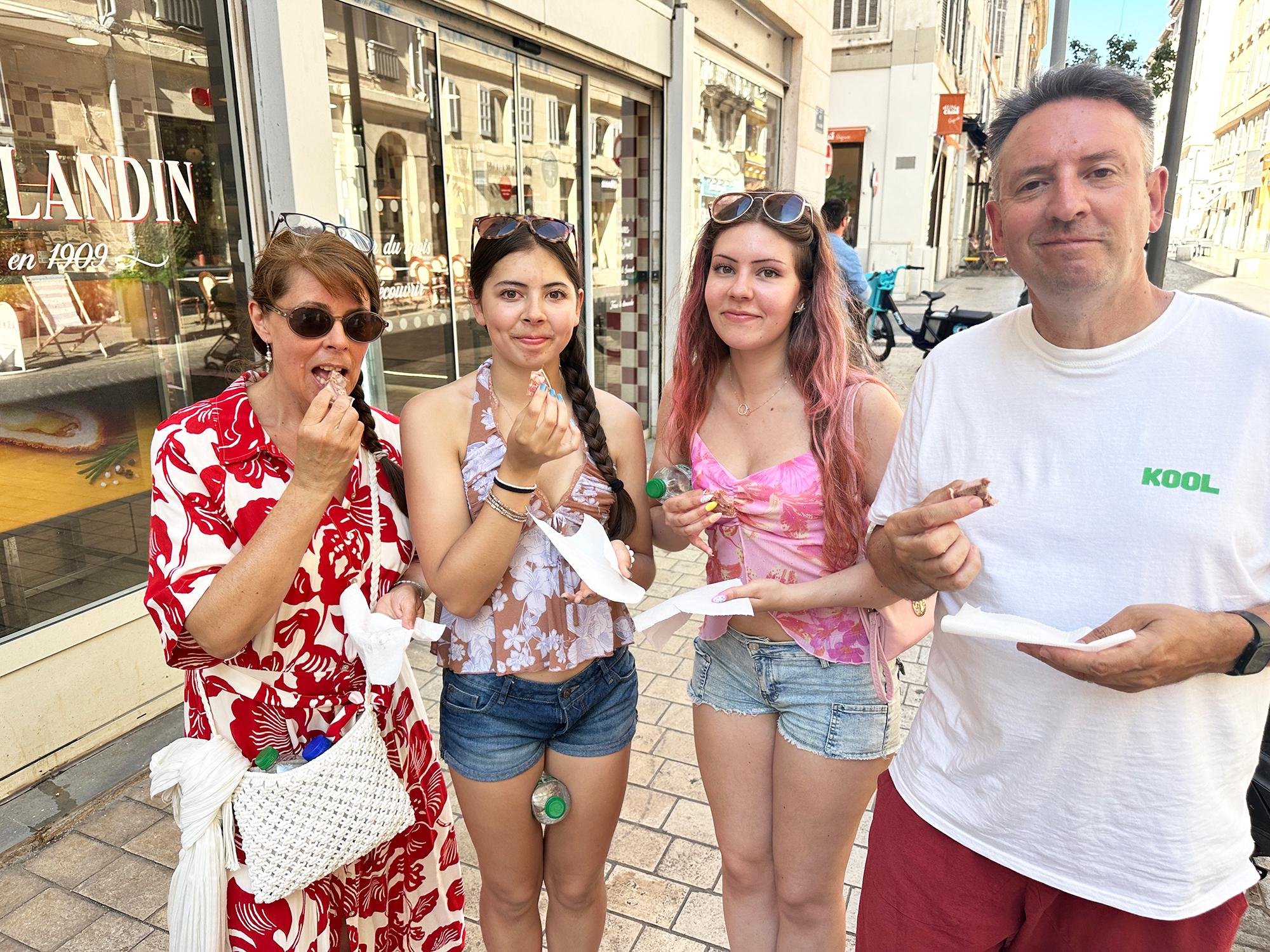
Discover authentic Mediterranean flavors through cheese, seafood, pizza, and sweets on a guided tasting journey
1 hour
Free Cancellation
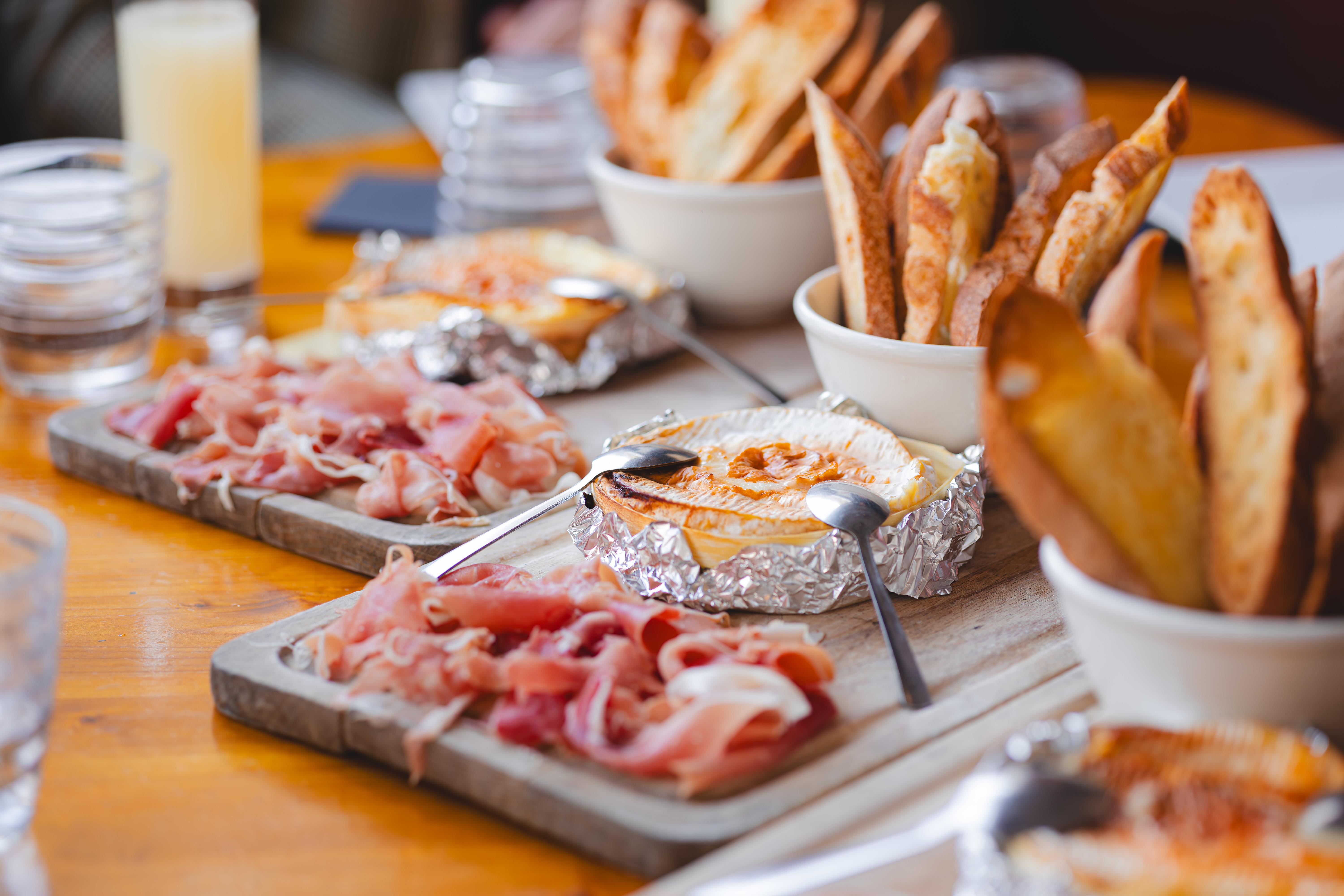
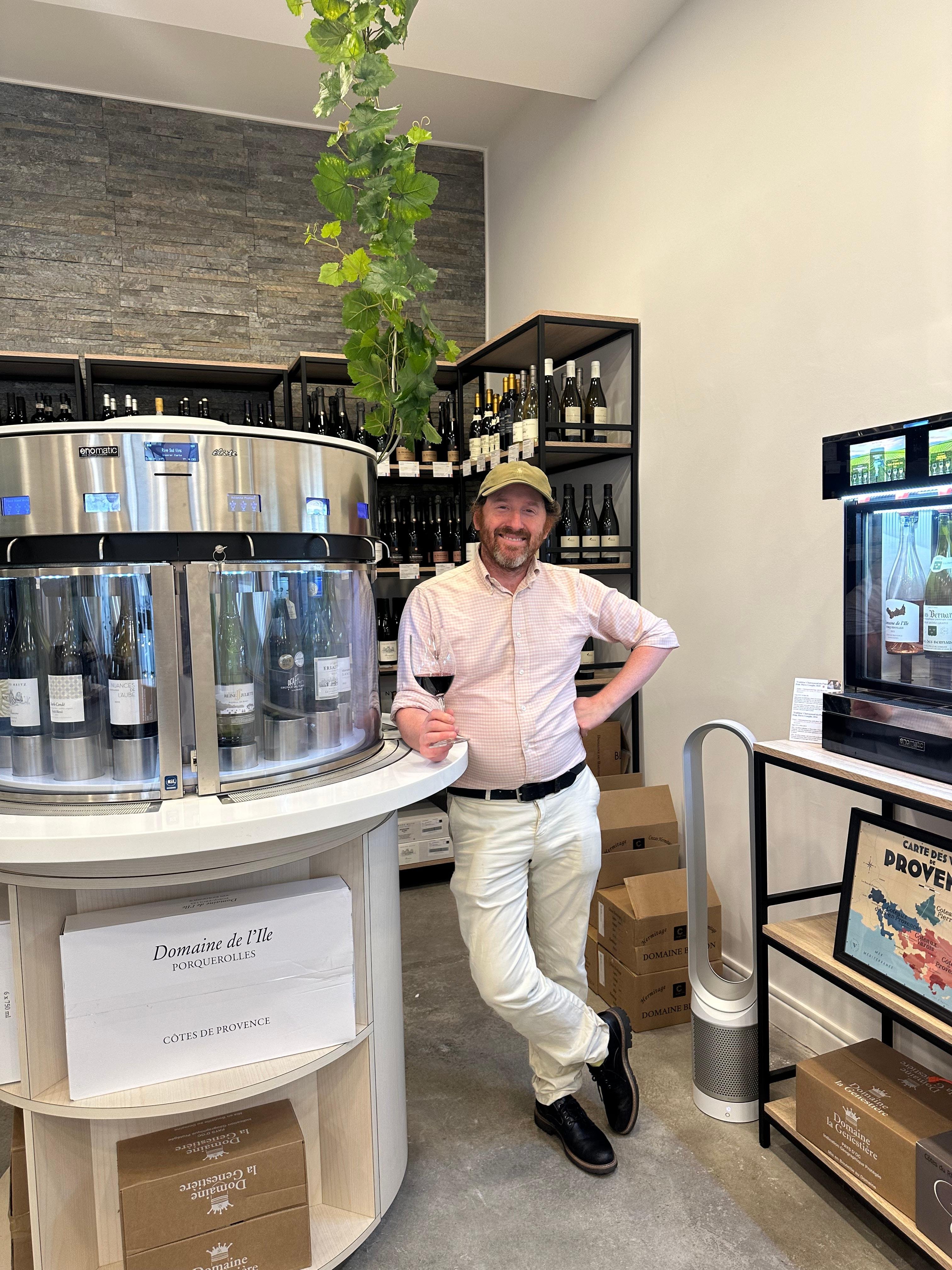
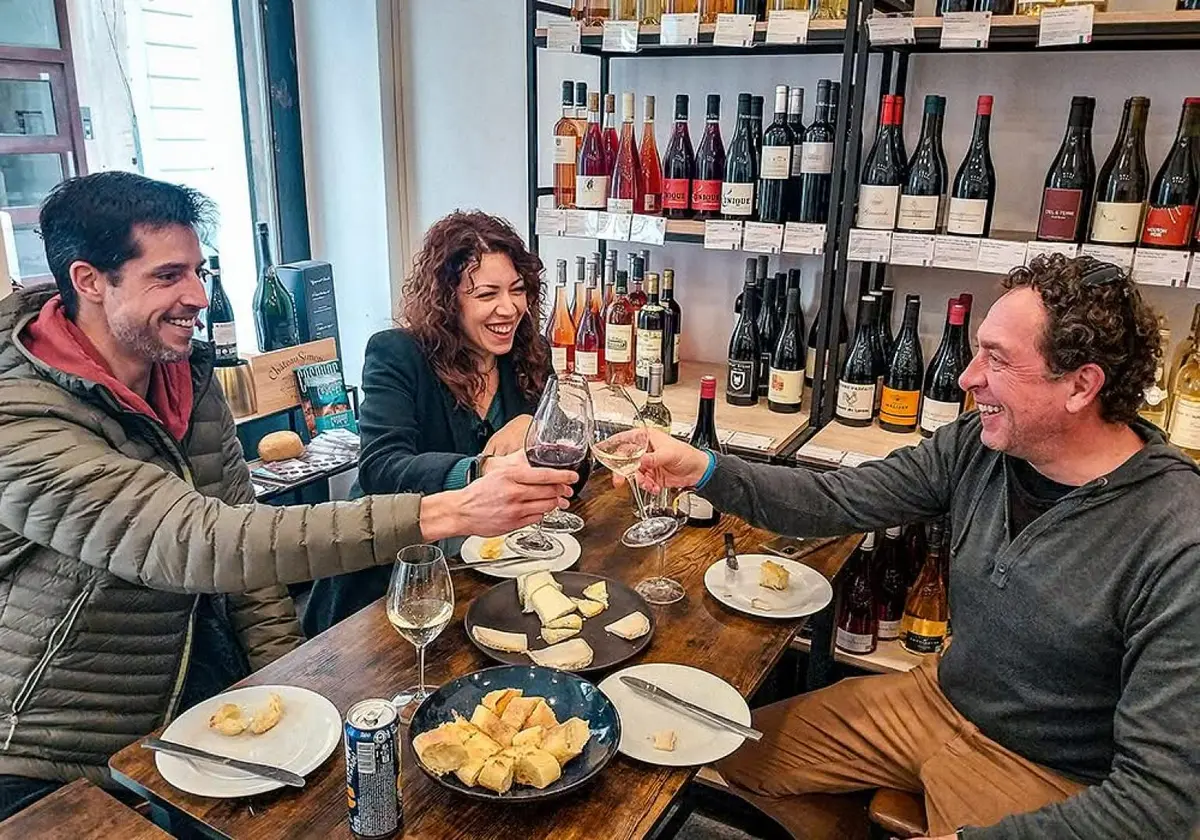
Sample 10 exceptional wines paired with regional cheeses in an intimate shop setting
3.5 hours
Free Cancellation
Discover Marseille's culinary soul on an evening walking adventure through vibrant neighborhoods
2 hours
Free Cancellation
Explore historic landmarks and taste authentic local specialties on a guided walk through France's oldest port city
4 hours
Free Cancellation
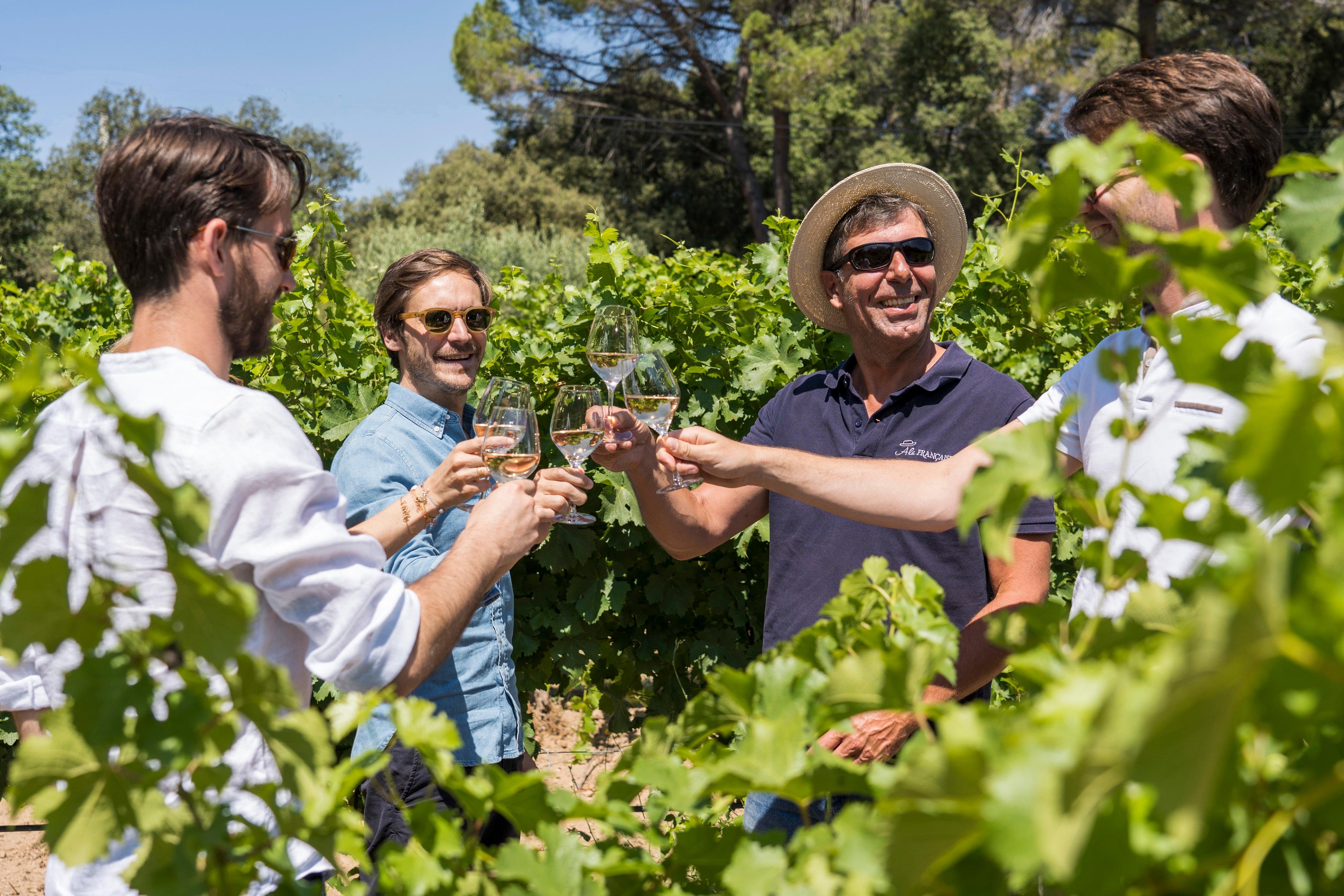
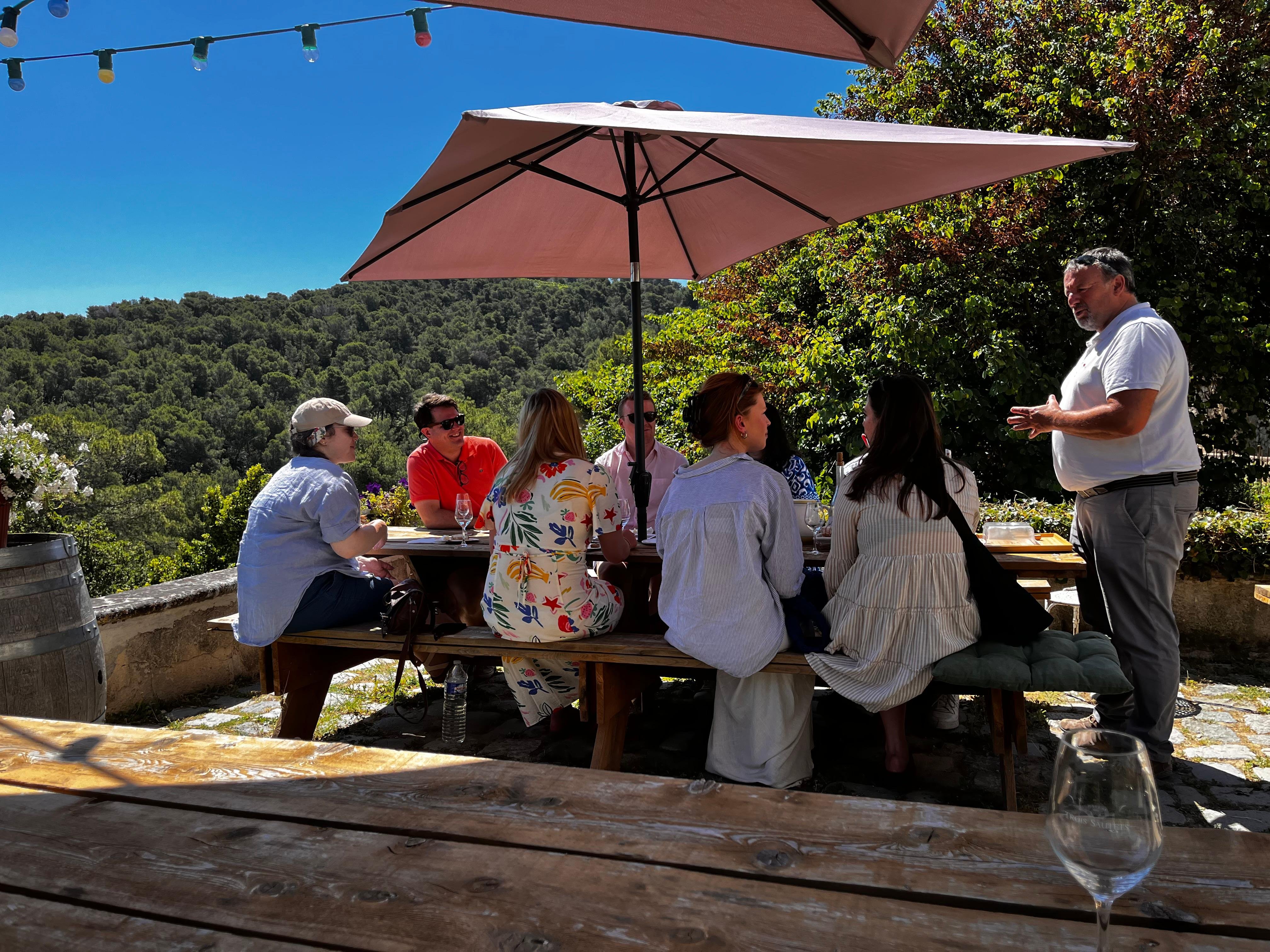
Discover two family-run estates in Côtes de Provence with tastings of exceptional rosés and reds
2.5 hours
Free Cancellation
Explore authentic local shops and taste Mediterranean-influenced French specialties with a guide
7 hours
Free Cancellation
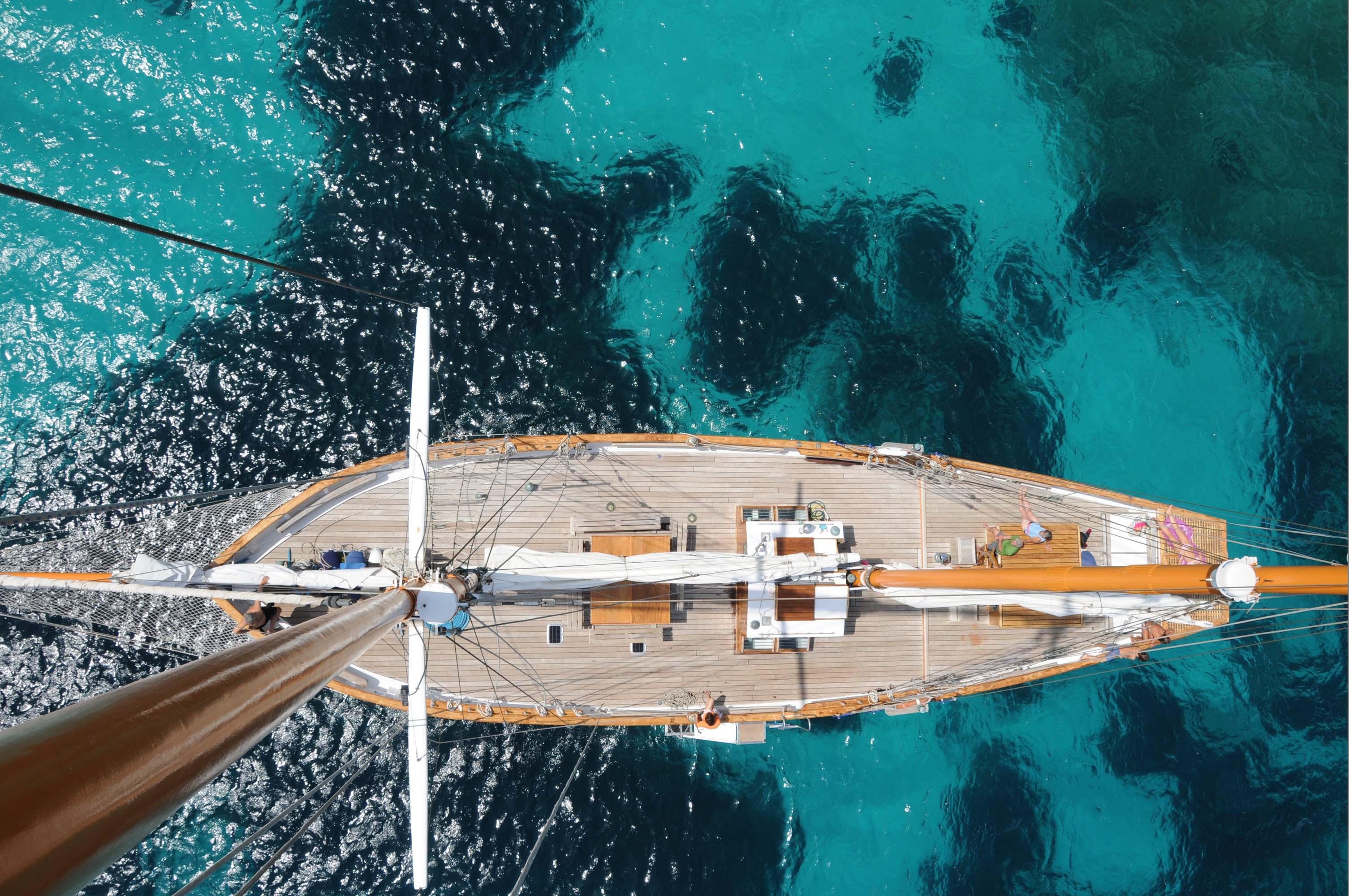
Sail through stunning coastal coves, swim in turquoise waters, and savor a vegetarian feast aboard a classic wooden schooner.
7.5 hours
Free Cancellation
Explore Provence wineries and a goat farm with tastings of rosé, red, white wines, and artisan cheese
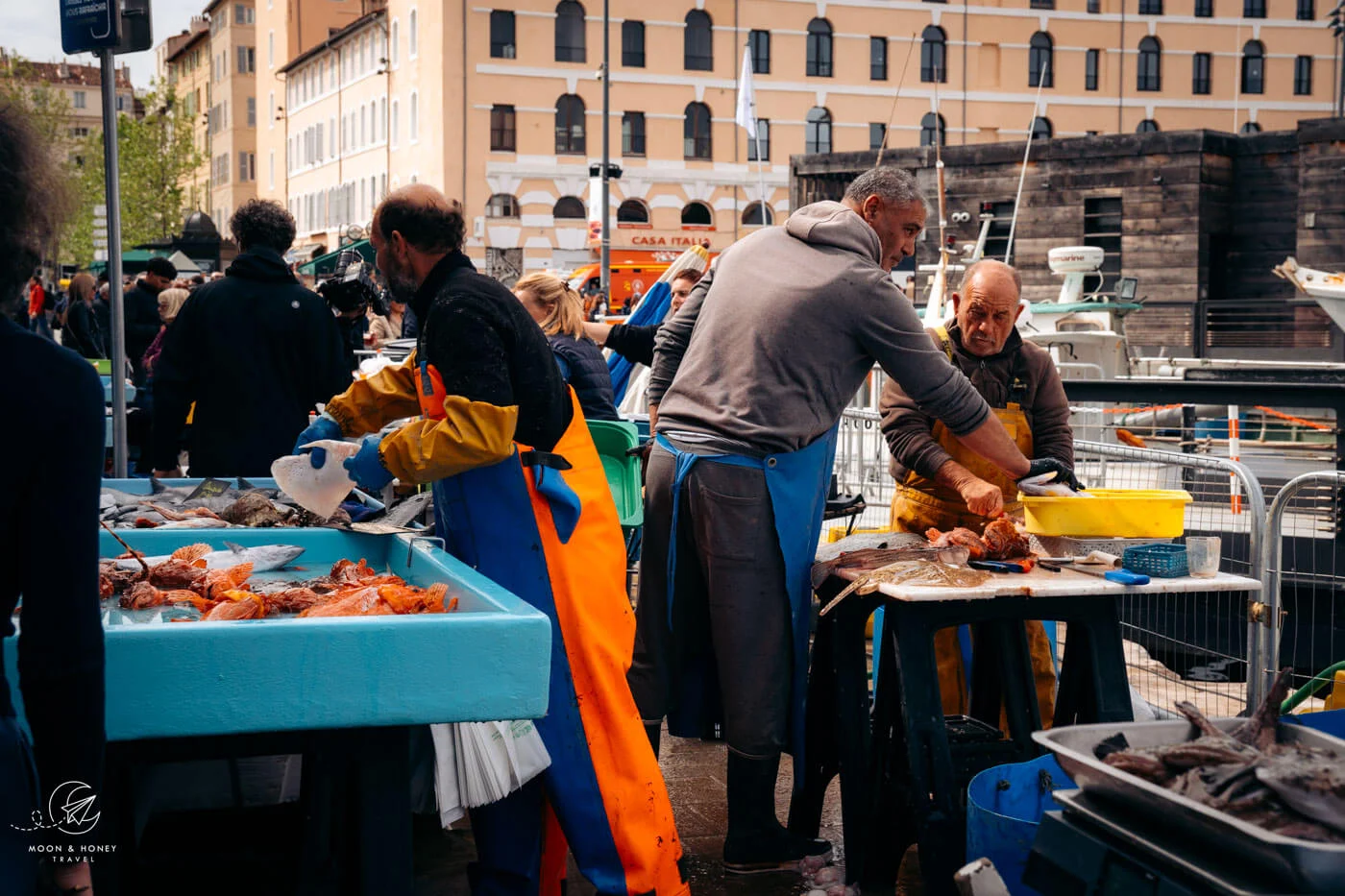
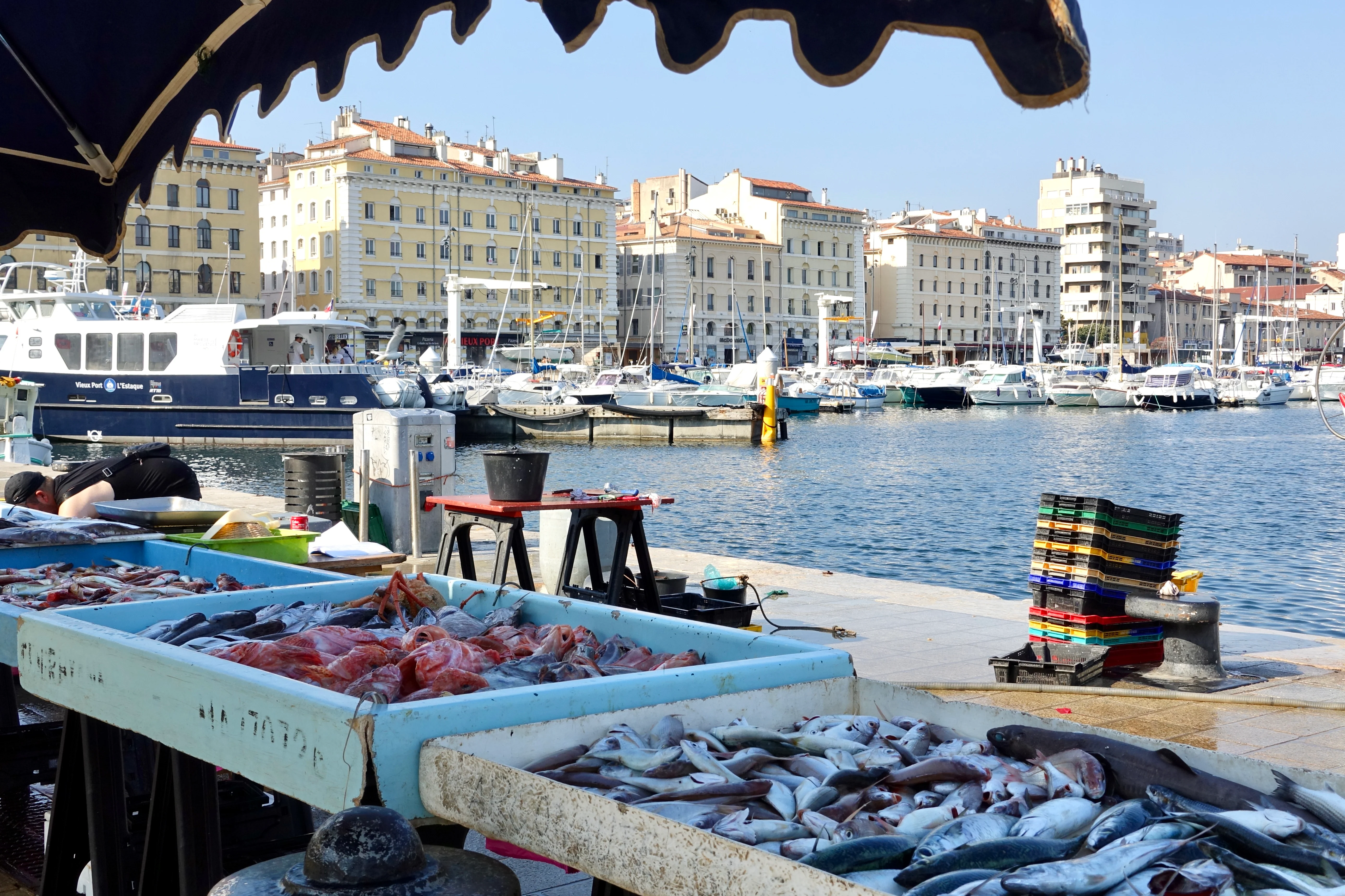
Watch local vendors sell the morning catch which defines the city's famous bouillabaisse.
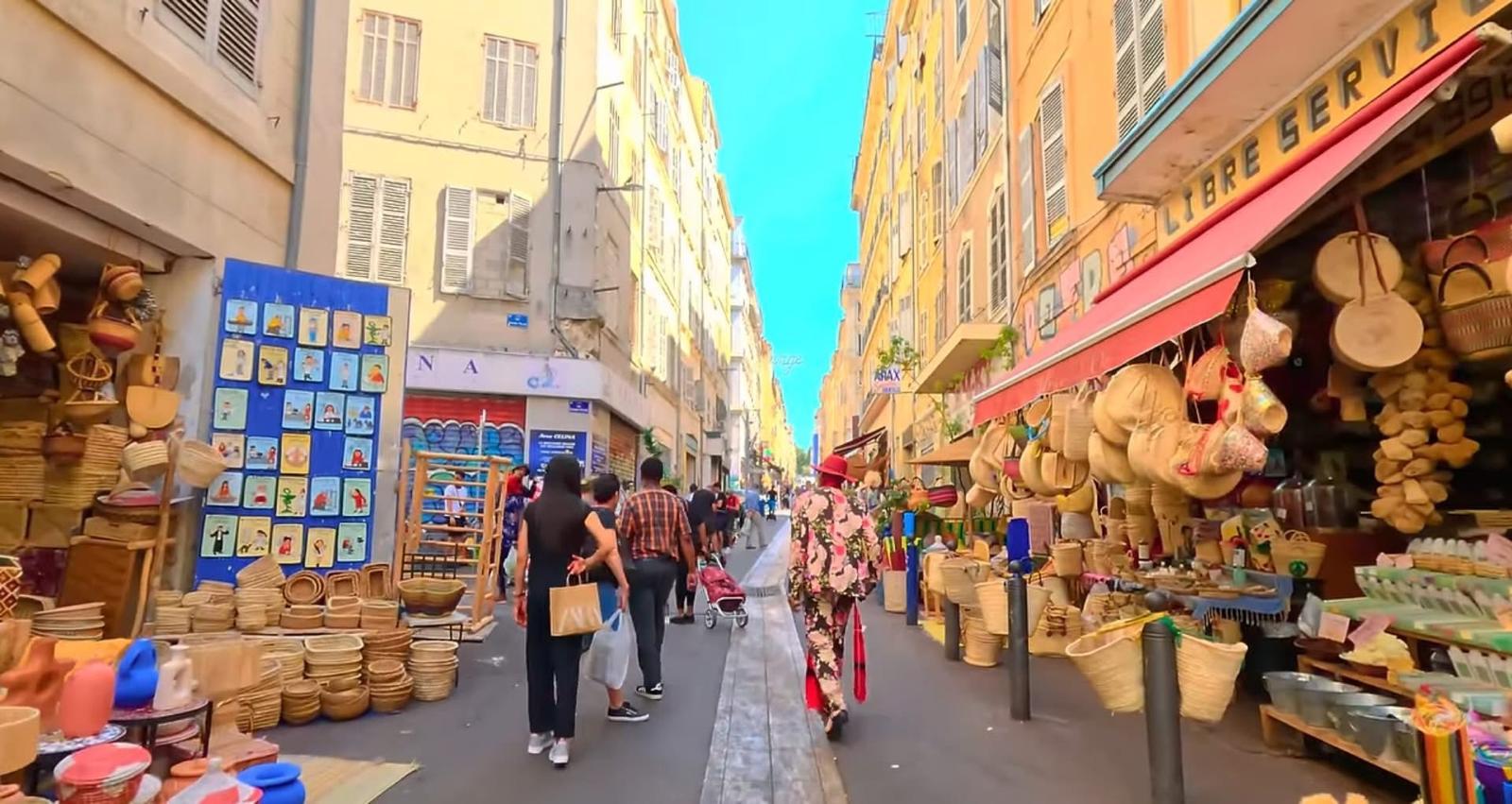
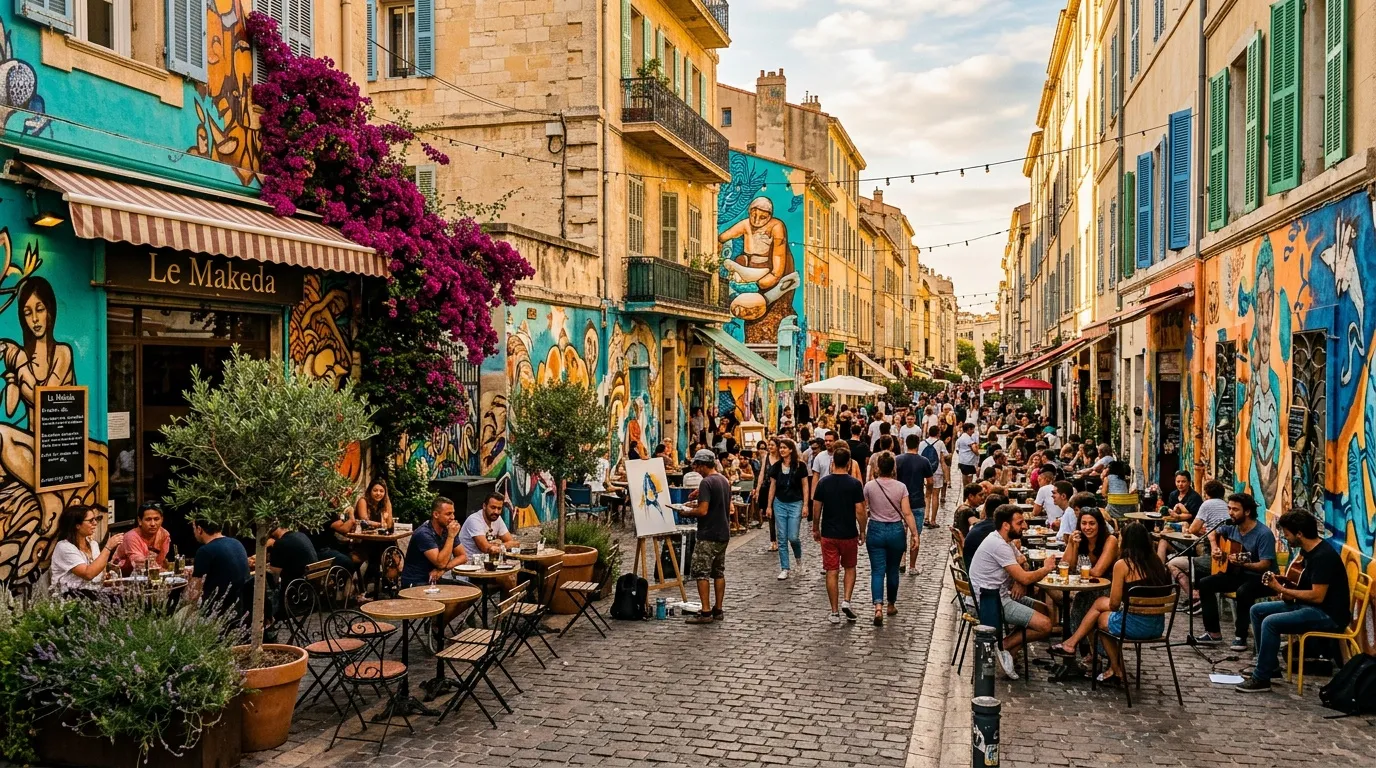
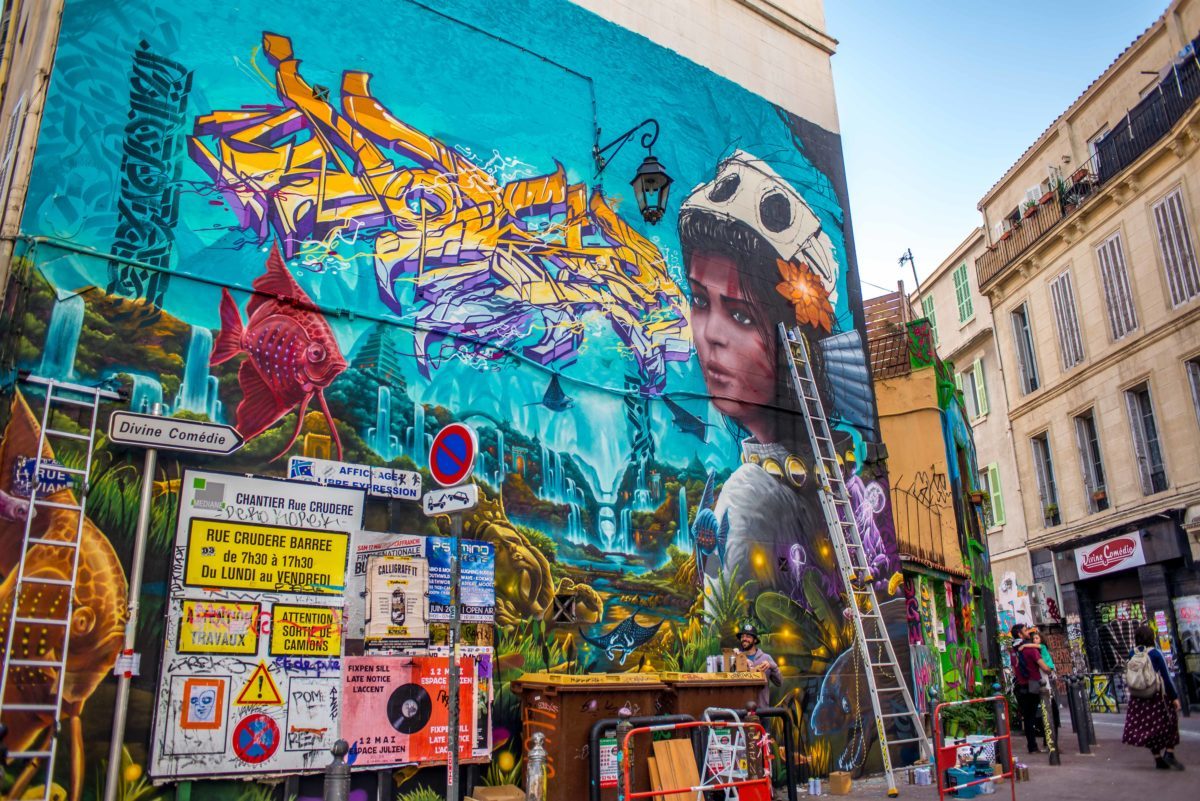
Explore the oldest neighborhood in France characterized by vibrant street art and historic architecture.
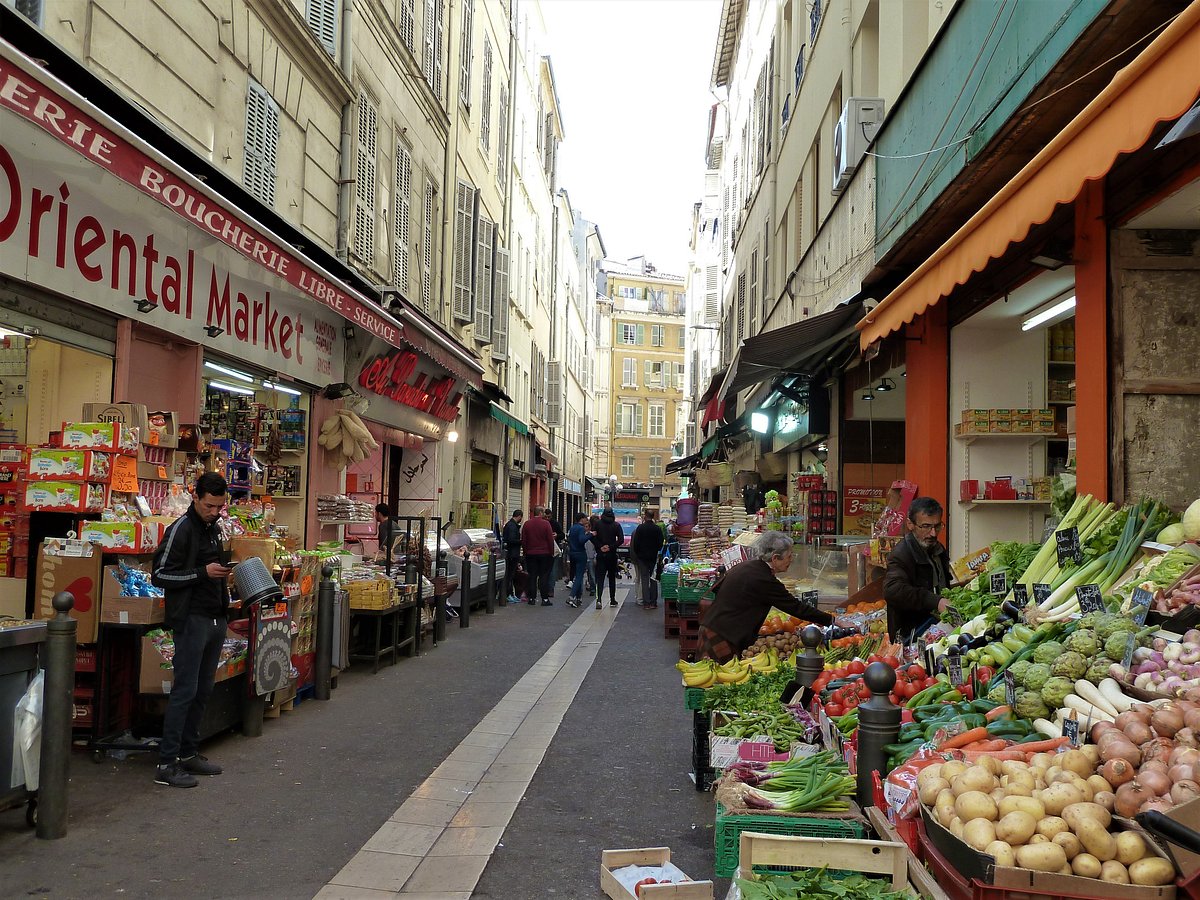
This multicultural area offers exotic spices and unique ingredients essential to Marseille's food history.
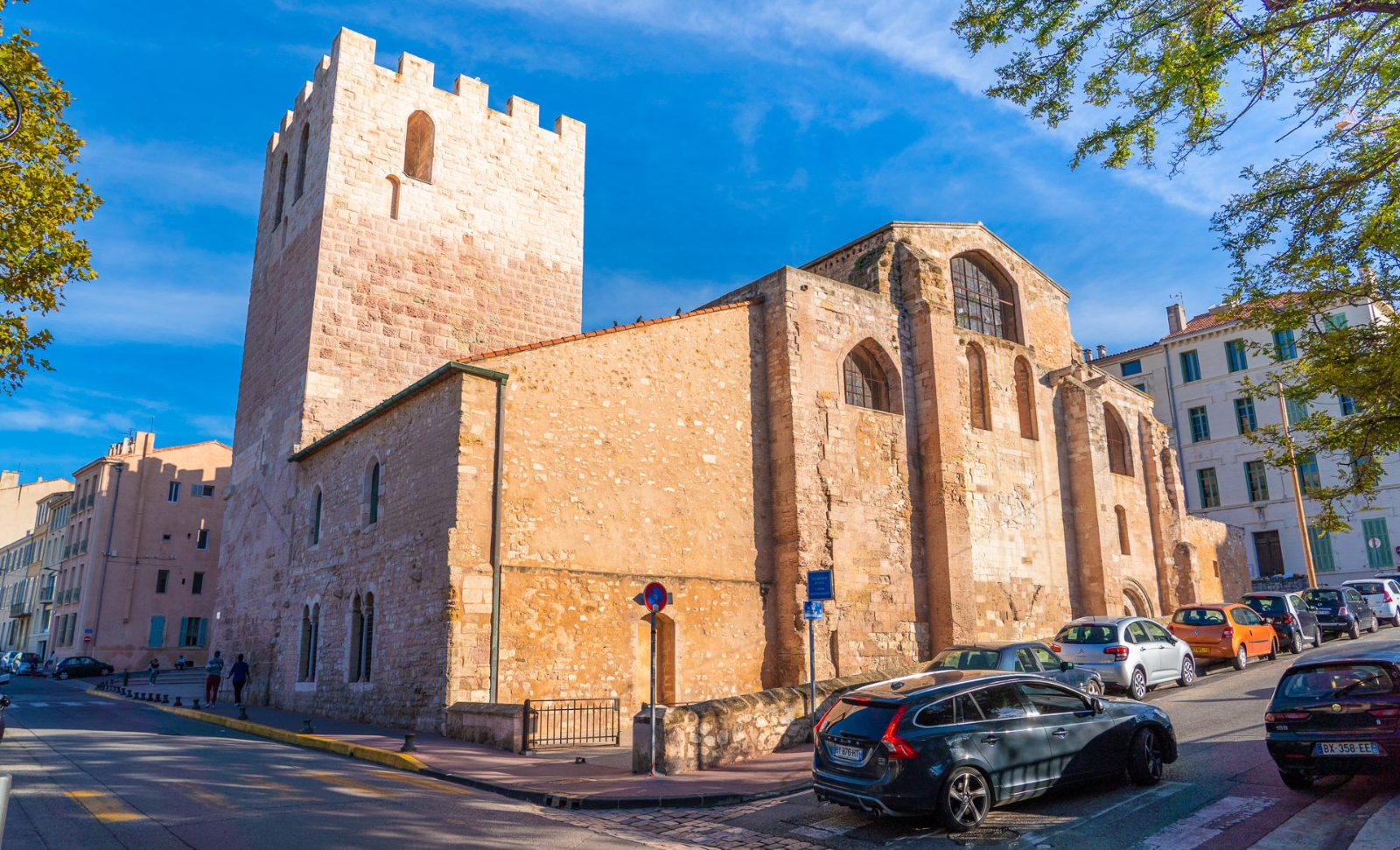
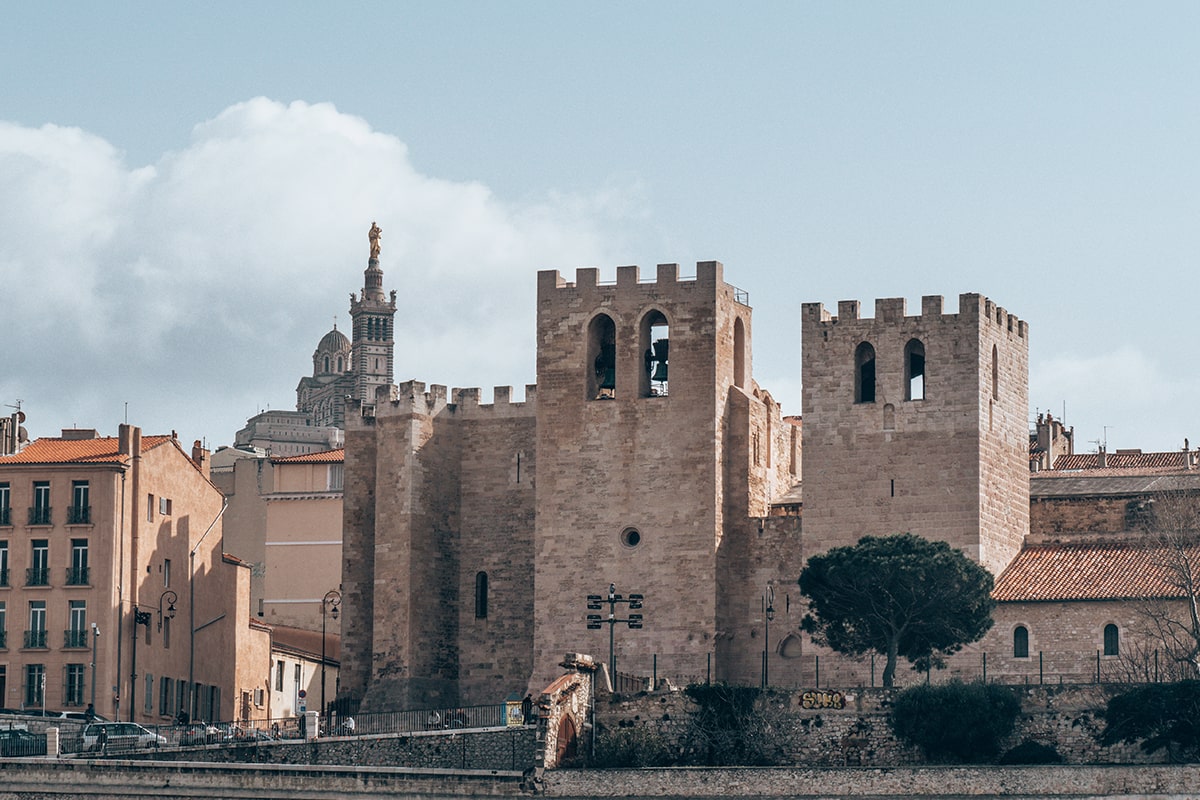
Visit this 5th-century site to understand the religious and historical roots of the city.
This area is a favorite for evening drinks and local social life near the Old Port.
You meet your guide near the Vieux-Port metro station at 09:30, a local sommelier or chef who carries a canvas tote for purchases. The group walks north into Le Panier, Marseille's oldest quarter, stopping first at a bakery where the owner pulls navettes from a wood-fired oven.
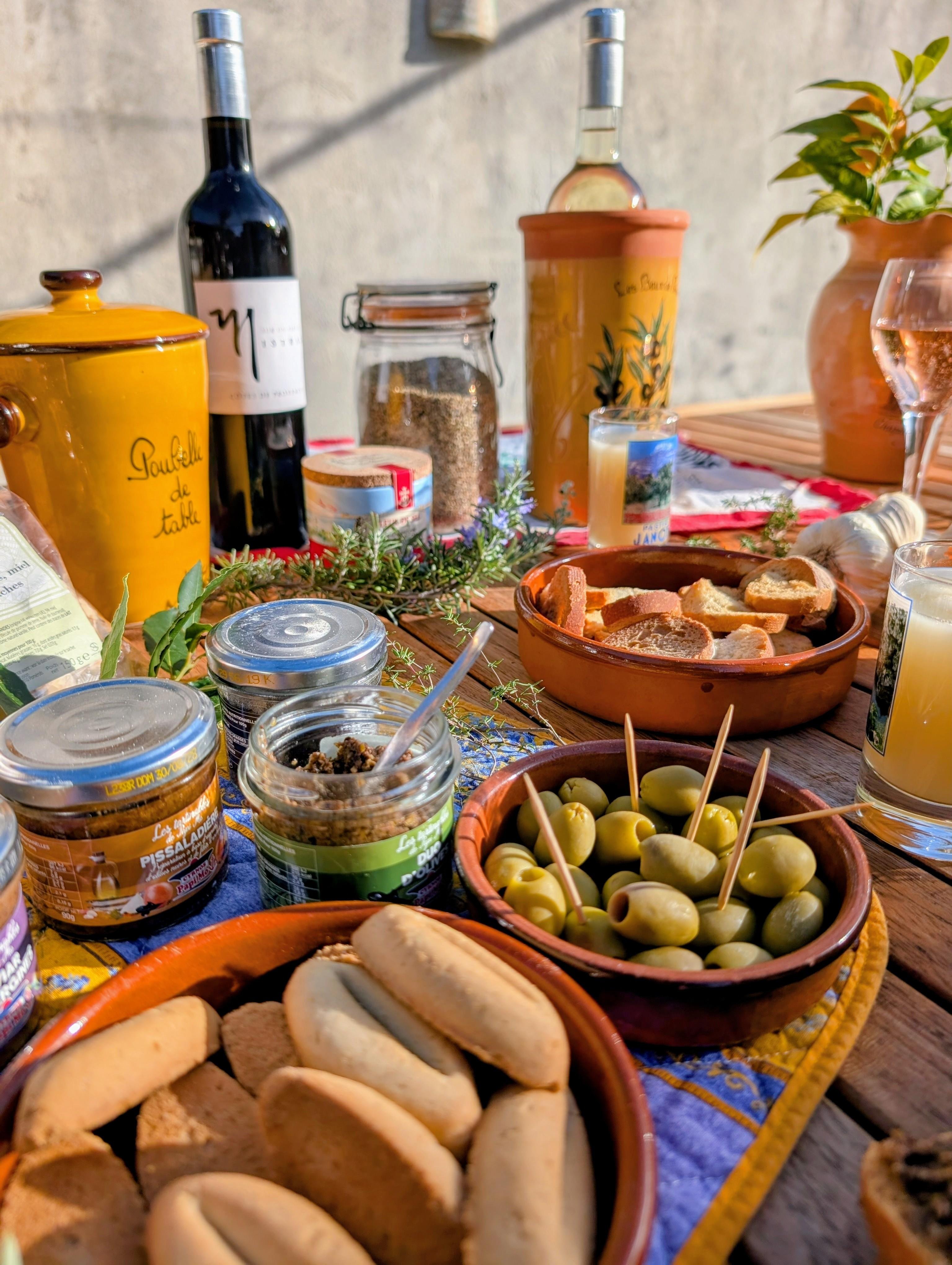
You taste one warm, the orange-flower water vapour still rising. Two blocks later, the guide unlocks a cheese cave: wheels of Banon wrapped in chestnut leaves, aged Tomme de Provence, fresh brousse in ceramic pots. You sample three, paired with a young Cassis white the fromager pours into stemless glasses.
The route shifts south to the fish market at Quai des Belges. Vendors shout prices; your guide points out rascasse, the scorpionfish essential to authentic bouillabaisse. You walk east along Rue de la République, pausing at a spice merchant's stall to smell sumac, ras el hanout, and dried Espelette pepper. The morning's final stop is a neighbourhood wine bar in Cours Julien. The sommelier pours four wines: a mineral Cassis blanc, a rosé from Bandol, a Palette rouge, and a natural Côtes de Provence. Each comes with a small plate — tapenade, anchoïade, panisse, a wedge of pissaladière. You leave at 13:00, the tote bag heavier, the city's edible map now legible.
All the details about your upcoming adventure in one place
Marseille's food culture is Mediterranean hybridity written in olive oil, saffron, and anise. The city's kitchens absorbed Genoese pasta-making in the 16th century, Armenian spice blends after 1915, and North African merguez and harissa through five decades of post-colonial migration.
Today's bouillabaisse — the saffron-stained fish stew served in two courses, broth then fish — carries strict rules codified by the city's restaurateurs in 1980: at least four species of rockfish, no mussels, no butter. The recipe is territorial identity in liquid form.
The Old Port remains the geographic anchor. Fishmongers unload rascasse, Saint-Pierre, and conger eel before dawn; by 08:00 the Quai des Belges fish market is a theatre of negotiation. Inland, the Le Panier quarter's bakeries still produce navettes — biscuits shaped like boats, flavoured with orange-flower water, sold year-round but especially during Candlemas in February. Cours Julien, the bohemian grid southeast of the Canebière, turned gastronomic in the 2000s: organic wine bars, Ethiopian injera counters, natural-fermentation bakeries, and chef-driven bistros occupy renovated 19th-century apartments. The district now registers among France's densest concentrations of independent food retailers per square kilometre.
Wine production encircles the city. Cassis, 20 kilometres east, farms white grape varieties — Clairette, Marsanne, Ugni Blanc — on limestone terraces above the calanques; its appellation, established 1936, was among France's first. Bandol, to the west, cultivates Mourvèdre on terraced hillsides facing the Mediterranean; regulations require 50 percent minimum Mourvèdre in red blends and 18 months oak aging. Palette, a micro-appellation near Aix-en-Provence, spans just 42 hectares and supplies Marseille's natural wine shops with small-lot cuvées. The city's cave cooperatives and neighbourhood cavistes stock these regional labels alongside imports from Languedoc and the Rhône.
Marseille food and wine tours trace these threads — market halls, bakeries, fishmongers, wine cellars — across half-day itineraries. Guides work in small groups, typically six to twelve participants, and conclude tastings with seated multicourse lunches in family-run restaurants. The format privileges walking over bus transport, conversation over monologue, and neighbourhood immersion over checklist tourism. Operators collaborate with third-generation fromagers, spice merchants who source directly from Moroccan souks, and pastry chefs who mill their own chestnut flour.

Bouillabaisse is territorial identity in liquid form.
Wear comfortable walking shoes suitable for the historic, often uneven streets of Marseille during your marseille food and wine tour. Casual attire is appropriate for all restaurant and artisan shop stops.
Keep bags small and manageable, as you will be moving between various tasting venues on your marseille food and wine tour. Large luggage is generally not permitted on walking routes.
Photography is encouraged at most stops during your marseille food and wine tour to capture the vibrant atmosphere. Please be respectful of local artisans and other patrons at food stalls.
Families are welcome, but note that many stops involve alcohol tastings. Check the minimum age requirements for your chosen marseille food and wine tour.
Many historic neighborhoods visited during a marseille food and wine tour feature steep, narrow streets and cobblestones. Please check with your specific operator regarding mobility constraints.
Your marseille food and wine tour includes various samples from local artisans. Please notify your guide of any severe allergies before the tour starts.
Best arrival window
09:00–18:00
Address
Marseille, France
Accessibility
Walking tours may involve uneven cobblestones and stairs
Peak Season
September to October for mild weather
Storage
Not available; travel light for your marseille food and wine tour
Navigation
Tours often meet near the Vieux-Port landmark
Public transport · Variable · Cost varies by ticket type
Use the M1 or M2 Metro lines to Vieux-Port stop
Walk · Varies · Free
Central areas are highly walkable for your marseille food and wine tour
Most operators offer a full refund if a marseille food and wine tour is cancelled at least 24 hours in advance. The entrance fee for these independent private services is 0 EUR.
Recommended time
3-4 hours
A typical marseille food and wine tour provides an immersive experience into the region's culinary heritage, allowing enough time to explore local markets and artisanal shops. Scheduling your visit between 09:00–18:00 ensures you can fully enjoy regional specialties when vendors are most active. Opting for these marseille food and wine tour tours during mid-morning helps you avoid the peak afternoon congestion found in popular city landmarks.
Crowd levels through the day
Weather · crowds · average price — dots go green to amber to red as each metric rises.
Mild temperatures and markets in full bloom make for a pleasant marseille food and wine tour experience.
Warmest months; ideal for evening food and wine tour tours when the city cools down.
September and October offer the best harvest-time atmosphere for any marseille food and wine tour.
Quieter streets offer a more intimate setting for a private marseille food and wine tour.
Popular tours sell out quickly during peak seasons like September.
Verify if your tour includes enough food to replace a full lunch or dinner.
Guides often share secrets about local spots to visit after your marseille food and wine tour.
Useful for small independent stalls that may not accept card payments.
Carry a bottle of water between wine tastings.
Marseille's culinary identity emerged from its founding as Massalia by Greek settlers from Phocaea around 600 BCE. They brought olive cultivation, wine amphorae, and the blueprint for bouillabaisse—a fisherman's stew born from the rocky Calanques coast. By the Roman era, the city's port funneled Provençal wine across the Mediterranean, establishing trade routes that would define its gastronomic reach for millennia. The collapse of Rome saw Arab merchants introduce saffron and spices in the 8th century, ingredients that became non-negotiable in authentic bouillabaisse recipes codified centuries later. The 19th century industrialized Marseille's food landscape. The opening of the Suez Canal in 1869 flooded the Vieux-Port with exotic goods—Tunisian harissa, Algerian couscous, Armenian pastries—that immigrant communities wove into the local diet. Pastis, the anise-flavored spirit now synonymous with Marseille food and wine tour experiences, was commercialized by Paul Ricard in 1932 after absinthe bans created demand for a legal alternative. World War II devastated the Old Port quarter in 1943 when Nazi forces dynamited entire neighborhoods, erasing centuries of culinary infrastructure. Post-war reconstruction saw the rise of Les Halles de la Major market in 1975, anchoring a renaissance of artisan cheesemakers and olive oil pressers. Today's marseille food and wine tour itineraries trace this layered history through surviving institutions. The Bouillabaisse Charter of 1980 formalized recipes to combat tourist imitations, while AOC Cassis wines—cultivated in limestone vineyards since Greek times—anchor modern tastings. Panier district bakeries still bake navettes, boat-shaped biscuits invented by nuns in 1781. Walking marseille food and wine tour tickets grant access to fourth-generation family operations where Provençal tradition meets North African technique, a fusion forged not by design but by centuries of Mediterranean migration and survival.
Greek Phocaeans establish Massalia, introducing olive groves and wine cultivation that anchor Provençal viticulture
Arab traders bring saffron and spice blends through the port, ingredients later embedded in bouillabaisse tradition
Suez Canal opening transforms Marseille into a culinary crossroads, flooding markets with North African and Middle Eastern ingredients
Paul Ricard launches pastis commercially, creating the anise spirit now central to Marseille aperitif culture
Nazi demolition of the Old Port destroys centuries of food markets and family-run establishments
Les Halles de la Major market opens, reviving artisan food commerce in the reconstructed port district
Bouillabaisse Charter signed by local chefs to preserve authentic recipes against tourist dilution
Walking food tours emerge as a format to navigate Marseille's layered immigrant foodways and AOC wine estates
Stand at the edge of the harbor at dawn to capture the reflection of traditional boats against the vibrant catch of the day. This remains a highlight for many on a marseille food and wine tour.
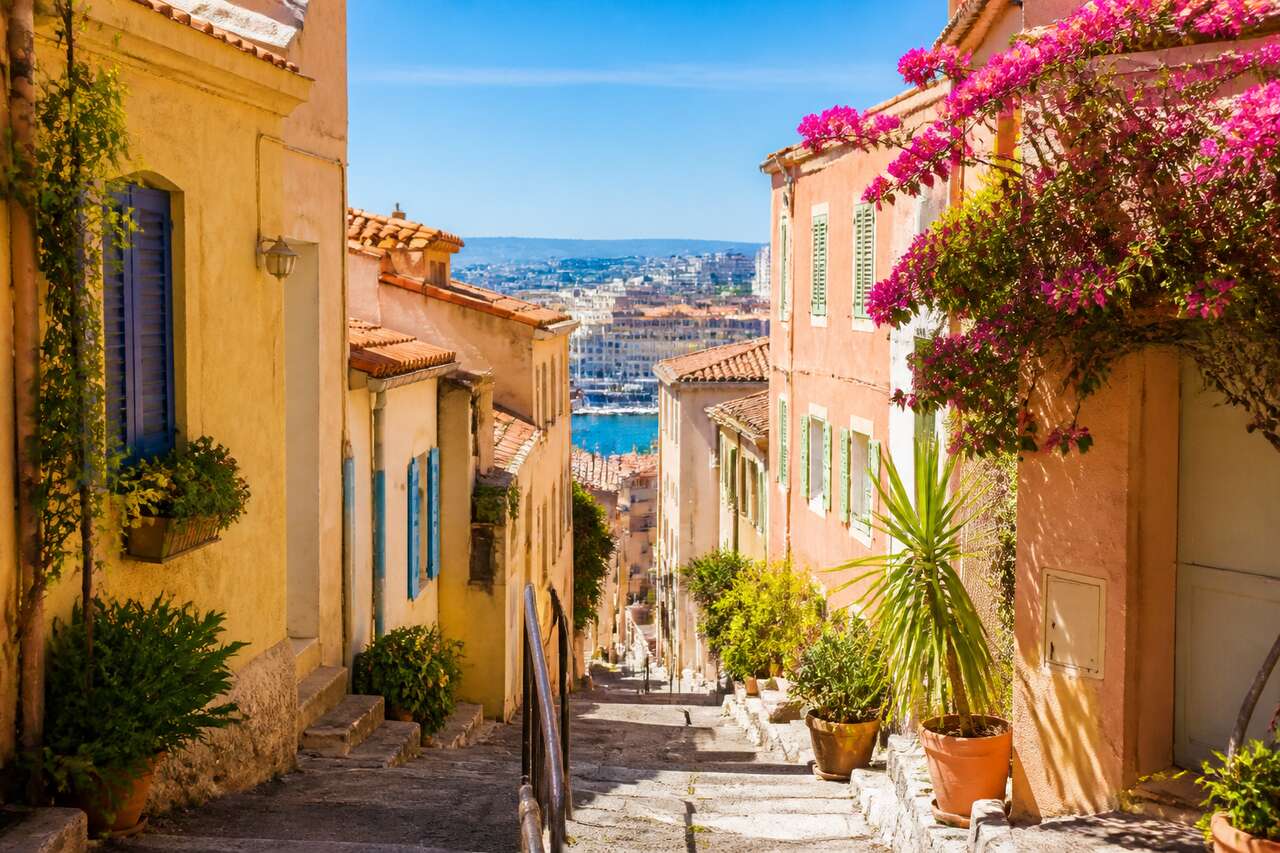
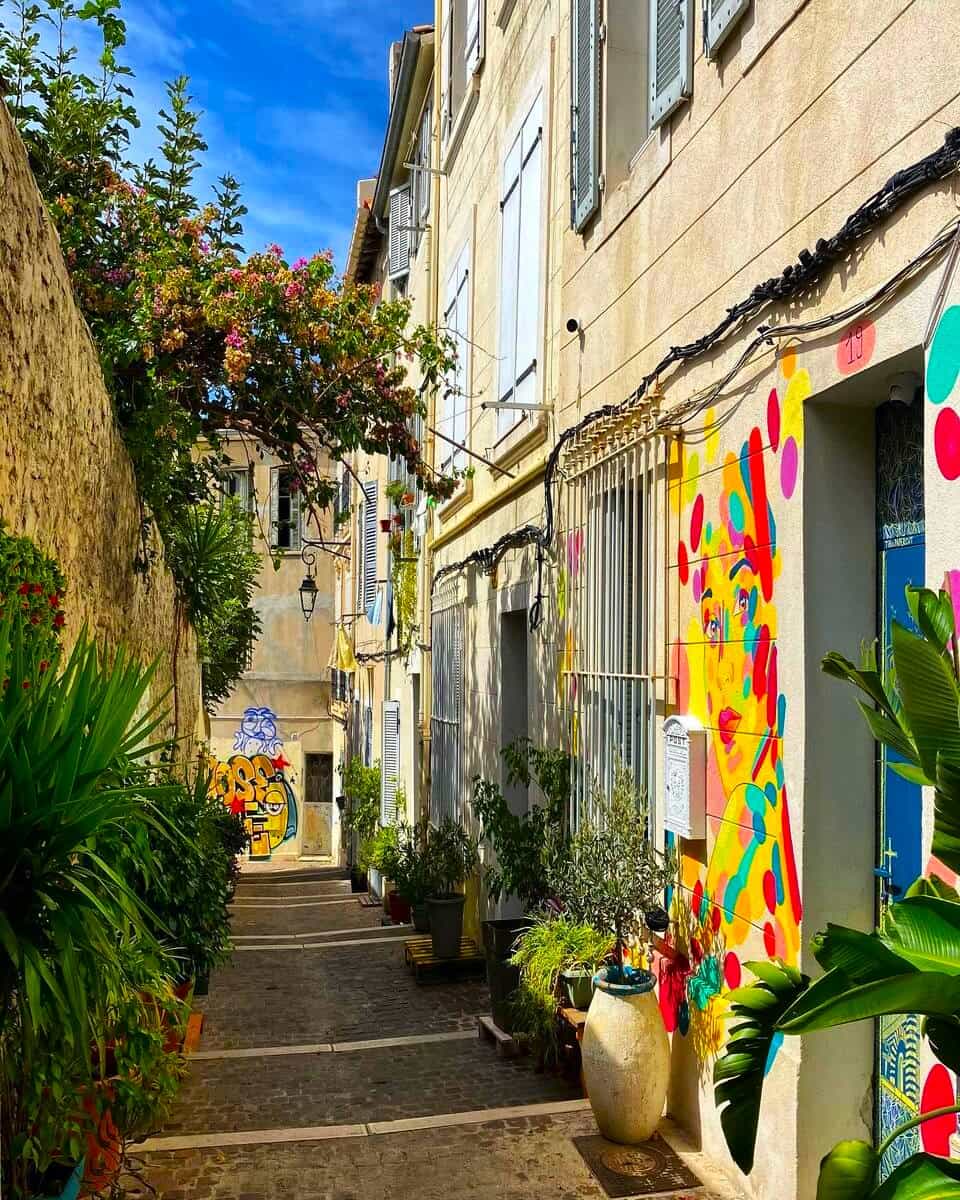
Walk through the narrow cobblestone alleys of this historic district to photograph colorful shutters and Mediterranean-style murals. You will find distinct aesthetic character away from the main streets while searching for marseille food and wine tour tickets.
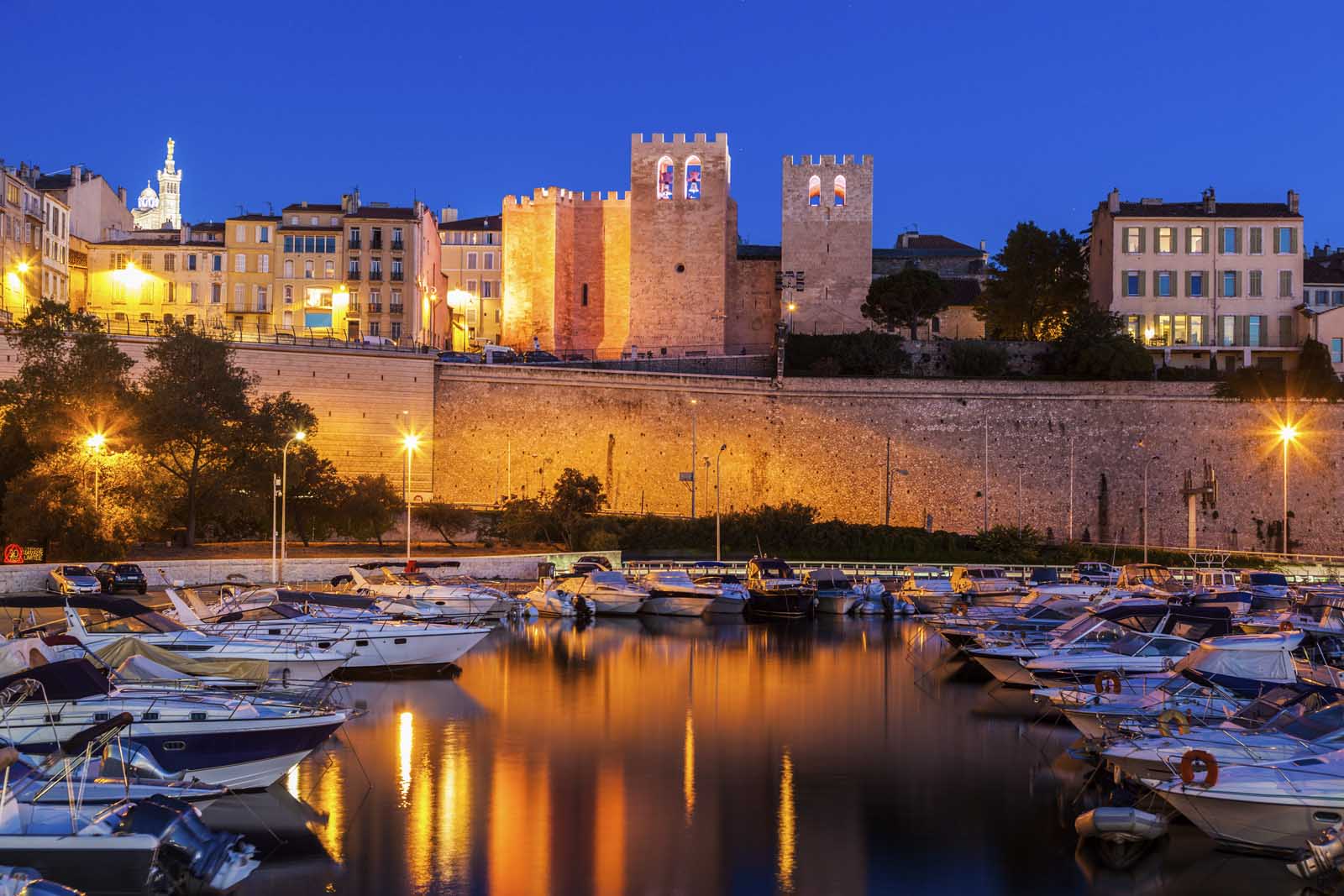
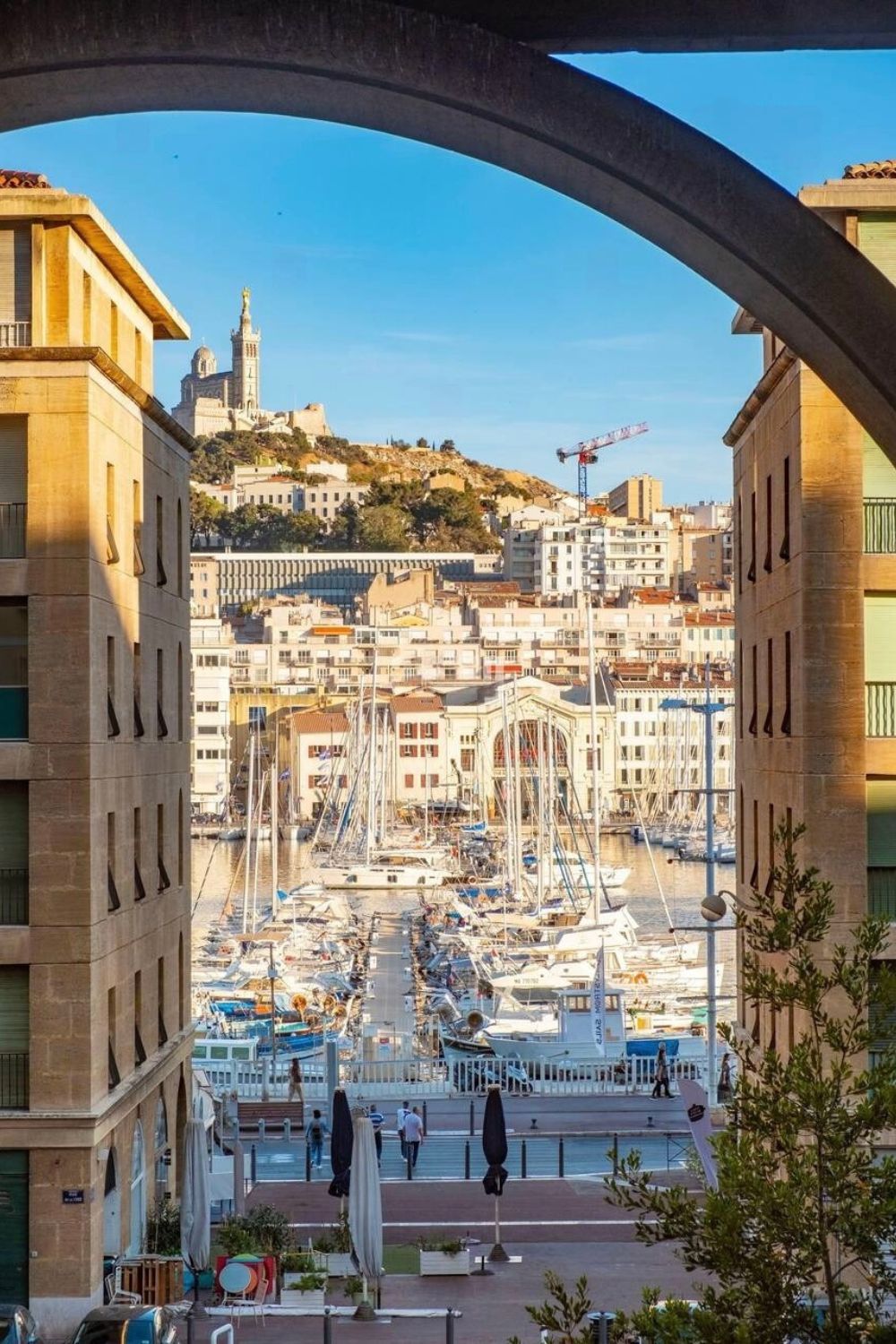
Capture the panoramic view of the Old Port from the terrace outside this ancient fortress-like abbey. This location provides a classic vantage point for any marseille food and wine tour tour participant.
Focus your lens on the eclectic graffiti and artistic displays in this creative neighborhood known for its local gastronomy. It is a popular stop for those booking marseille food and wine tour tours to experience the bohemian side of the city.
Exploring the city through a marseille food and wine tour can be a delightful cultural experience for families if you select the right operator. Many culinary walks in Marseille provide an engaging way for children to discover local flavors and Mediterranean heritage.
Historic districts like Le Panier have uneven cobblestones and steep inclines, so a lightweight stroller or a baby carrier is recommended for your marseille food and wine tour tour.
While wine tastings are restricted to adults, many operators offer family-friendly versions of these Marseille gastronomic excursions that focus on local pastries and snacks.
Public restrooms are not always readily available during walking routes, so plan your bathroom stops at cafes or public squares between tasting sessions.
When booking marseille food and wine tour tickets, verify if the provider offers non-alcoholic pairings such as local fruit juices or syrups for younger participants.
To ensure a pleasant experience, schedule your activity during the best arrival window of 09:00–18:00 when the city is most active.
Confirm with your guide if the route includes stops at kid-friendly artisanal shops to keep children engaged while adults sample regional vintages during these marseille food and wine tour tours.
Exploring local flavors near a marseille food and wine tour allows you to experience authentic Provençal cuisine in the heart of the city. You will find excellent dining options within a short walk that highlight regional ingredients and traditional recipes.
Specializes in fresh daily catches from local fishers and pairs them with curated Mediterranean vintages. It is a popular spot, so securing marseille food and wine tour tours reservations in advance is recommended.
Offers a classic menu featuring bouillabaisse and other harbor specialties with views of the Old Port. This venue is ideal for those finishing their marseille food and wine tour tickets experience.
Famous for its traditional orange blossom-scented biscuits that have been a staple since 1781. This historic shop serves as a perfect stop after completing your marseille food and wine tour tour.
Everything you need to know for your journey
Yes, you can purchase marseille food and wine tour tickets for any day of the week.
Tipping is customary for excellent service on your marseille food and wine tour, though not strictly required.
Many tours welcome children, but ensure you check the specific age policy of your marseille food and wine tour operator.
Yes, please inform the operator at the time of booking your marseille food and wine tour to ensure suitable substitutions.
Most walking tours are not fully accessible due to the historic stairs and cobblestones of the city center.
A typical marseille food and wine tour lasts between 3 and 3.5 hours.
The best arrival window for your marseille food and wine tour is between 09:00–18:00 to match local market hours.
Private bookings for a marseille food and wine tour are often available for larger groups.
Most tours meet at the Vieux-Port; your confirmation will provide the exact landmark details.
The oldest neighborhood in Marseille with narrow alleys.
Iconic hilltop landmark overlooking the harbor.
Historic 17th-century almshouse and cultural center.
Historical city hall located on the waterfront.
Central location ideal for morning tours.
Atmospheric historic stays near culinary hotspots.
High-end hotels near the main transport hubs.
Join thousands of happy travelers who have discovered this incredible experience
Book Your Experience Now